
Protect Your Boat Lift: What to Do After Returning to the Dock
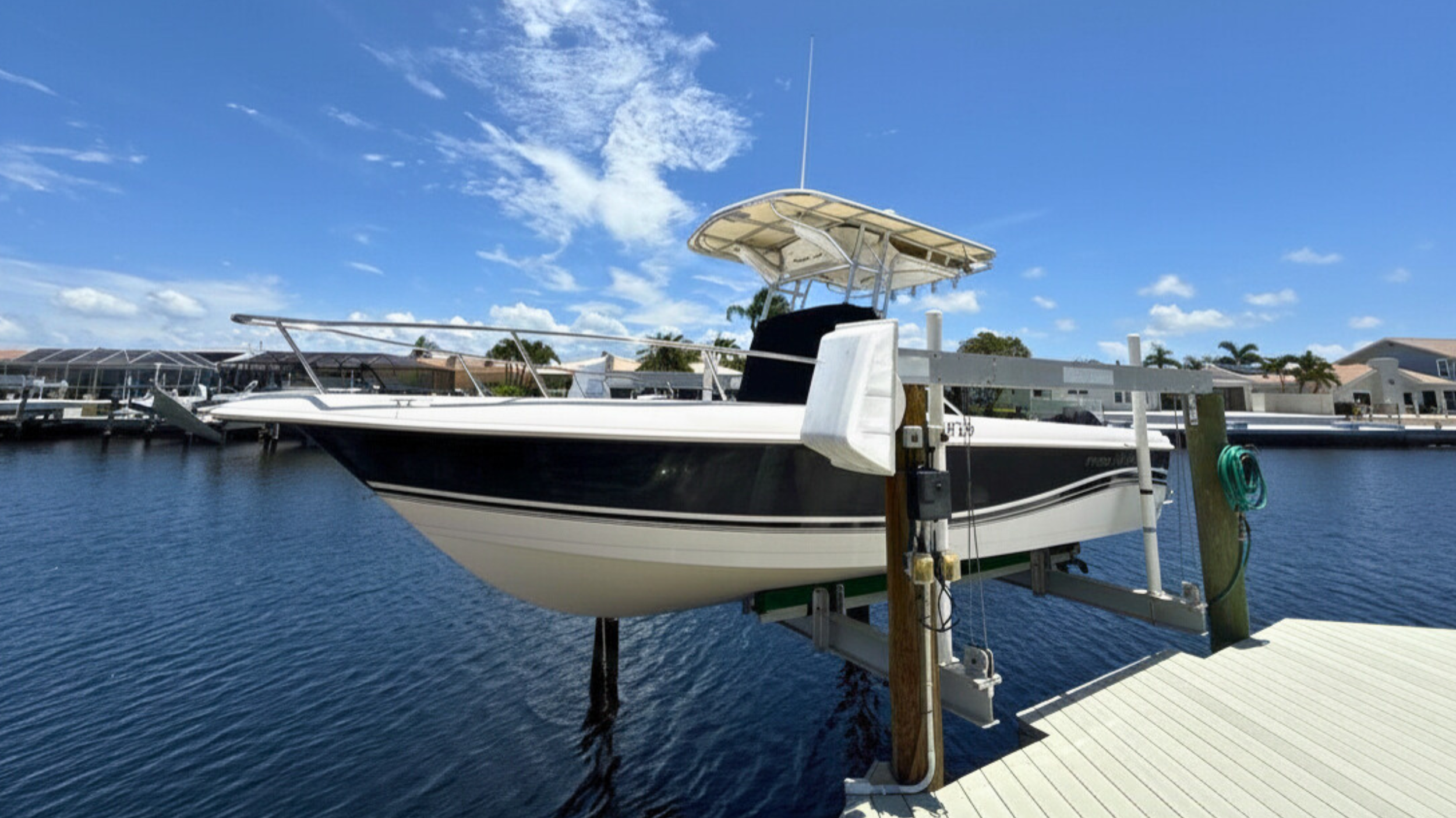
After a day on the water, most boat owners focus on cleaning the boat — but the boat lift needs attention too. Taking a few minutes to follow proper shutdown and care procedures can dramatically extend the life of your lift’s cables, motor, and electrical components.
Boat lifts operate in one of the harshest environments possible — constant moisture, salt exposure, heavy loads, and moving mechanical parts. Small habits after each trip help prevent corrosion, cable damage, and unexpected breakdowns.
Here are some simple but important steps to follow every time you return from boating.
1. Stay With the Lift While It’s Operating
One of the most important safety habits is never leaving the lift unattended while it is moving. Even well-maintained lifts can experience issues while raising or lowering a boat. Cables can shift, guide posts can catch the hull or the top beam, or the boat may settle unevenly on the bunks. If you walk away while the lift is running, a small issue can quickly become a major problem.
Staying nearby allows you to immediately stop the lift if you notice:
The boat shifting or leaning
A cable winding unevenly
Grinding, popping, or unusual noises
The lift moving slower than normal
Stopping the lift early can prevent damage to the cables, pulleys, bunks, and motor.
2. Raise the Boat High Enough Out of the Water
Once the boat is properly positioned on the lift, make sure it is raised fully out of the water.
Leaving the hull partially submerged exposes it to the same problems lifts are meant to prevent, including:
Marine growth and algae buildup
Corrosion on propellers and trim tabs
Barnacles and fouling on the hull
Increased cleaning and maintenance costs
The goal of a lift is to keep the boat dry when not in use, so always raise it high enough to clear the waterline.
3. Make Sure the Boat is Centered on the Bunks
Before leaving the dock, take a moment to confirm the boat is sitting properly on the lift.
A boat that is slightly off-center can place uneven strain on the entire lift system. Over time, this can lead to cable wear, uneven lifting, or structural stress.
Check for:
Equal spacing between guide posts
Even bunk contact along the hull
The boat sitting level side to side
The tension on the cables are equal
If the boat is noticeably off-center, lower the lift slightly and reposition it before raising again.
4. Rinse the Lift With Fresh Water
Saltwater environments — like those around Tampa Bay — accelerate corrosion on metal components. Even lifts built with aluminum or stainless parts still benefit from regular rinsing. A quick freshwater rinse helps remove salt crystals, sand, and debris that can cause long-term damage.
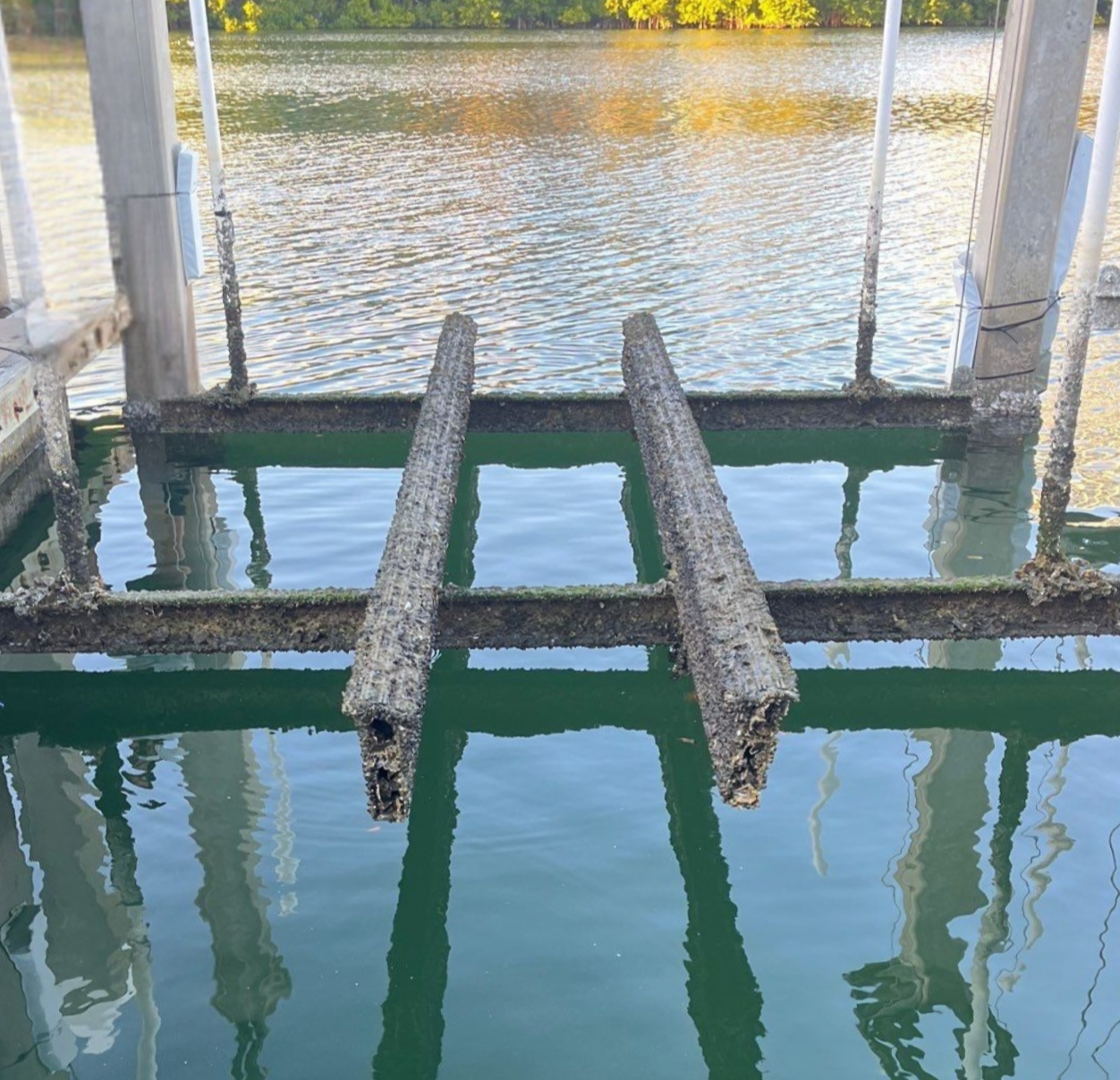
This level of barnacle buildup is an extreme case, but even small amounts of marine growth can accelerate corrosion and damage lift components over time.
Focus on rinsing these areas:
Lift cables
Pulleys and sheaves
Gear plates
Motor housing
Bunks and cradle beams
Guide posts and brackets
This simple habit can dramatically extend cable life and reduce corrosion-related problems.
5. Turn Off the Power to the Lift
After the boat is fully raised and secure, it’s a good idea to turn off the control box or power switch to the lift. If possible, turn the breaker to the lift off as well.
This prevents:
Accidental activation
Remote interference from nearby docks
Electrical issues during storms
Unauthorized use
It’s a small step that adds an extra layer of safety for both the lift and your boat.
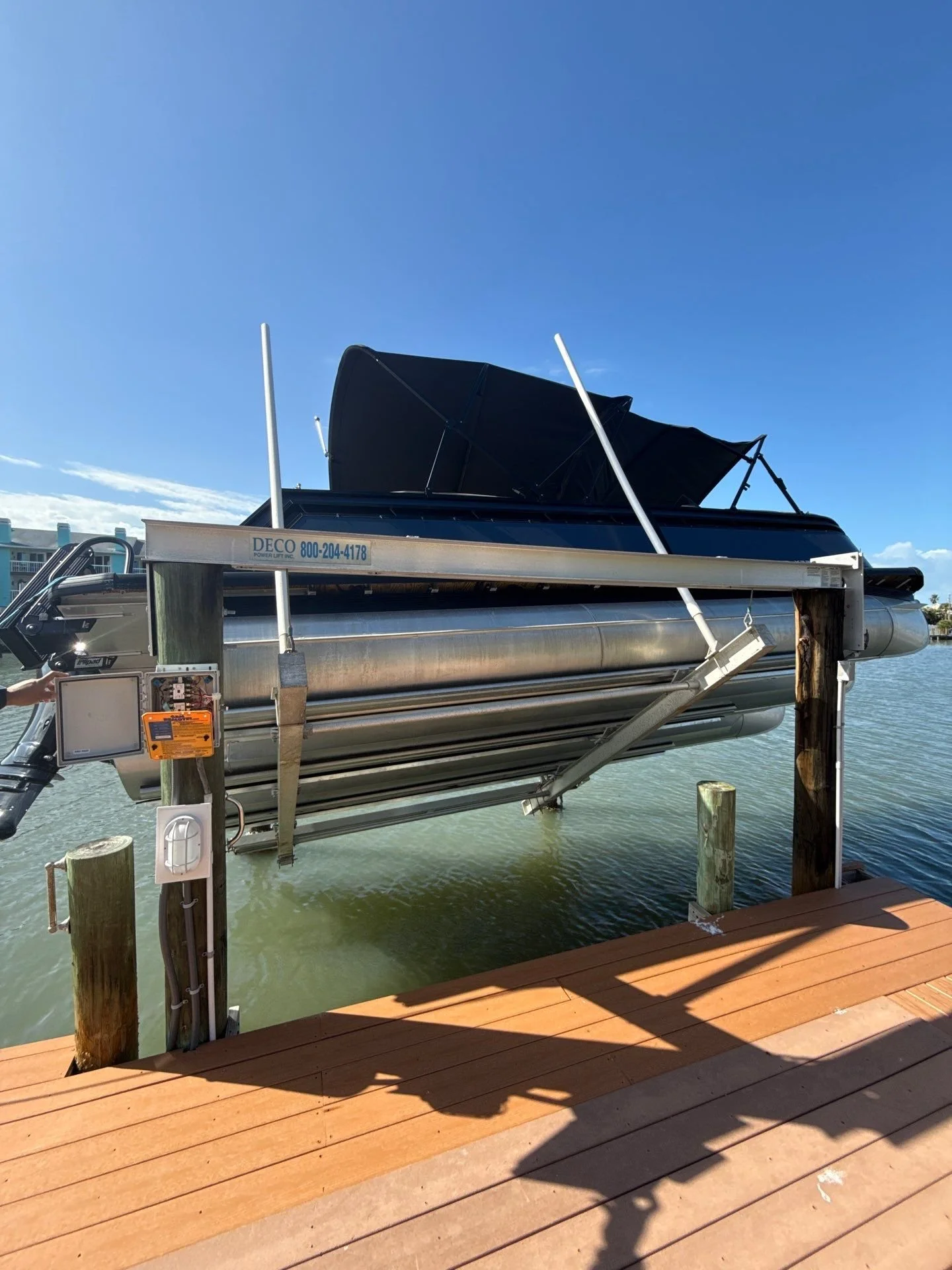
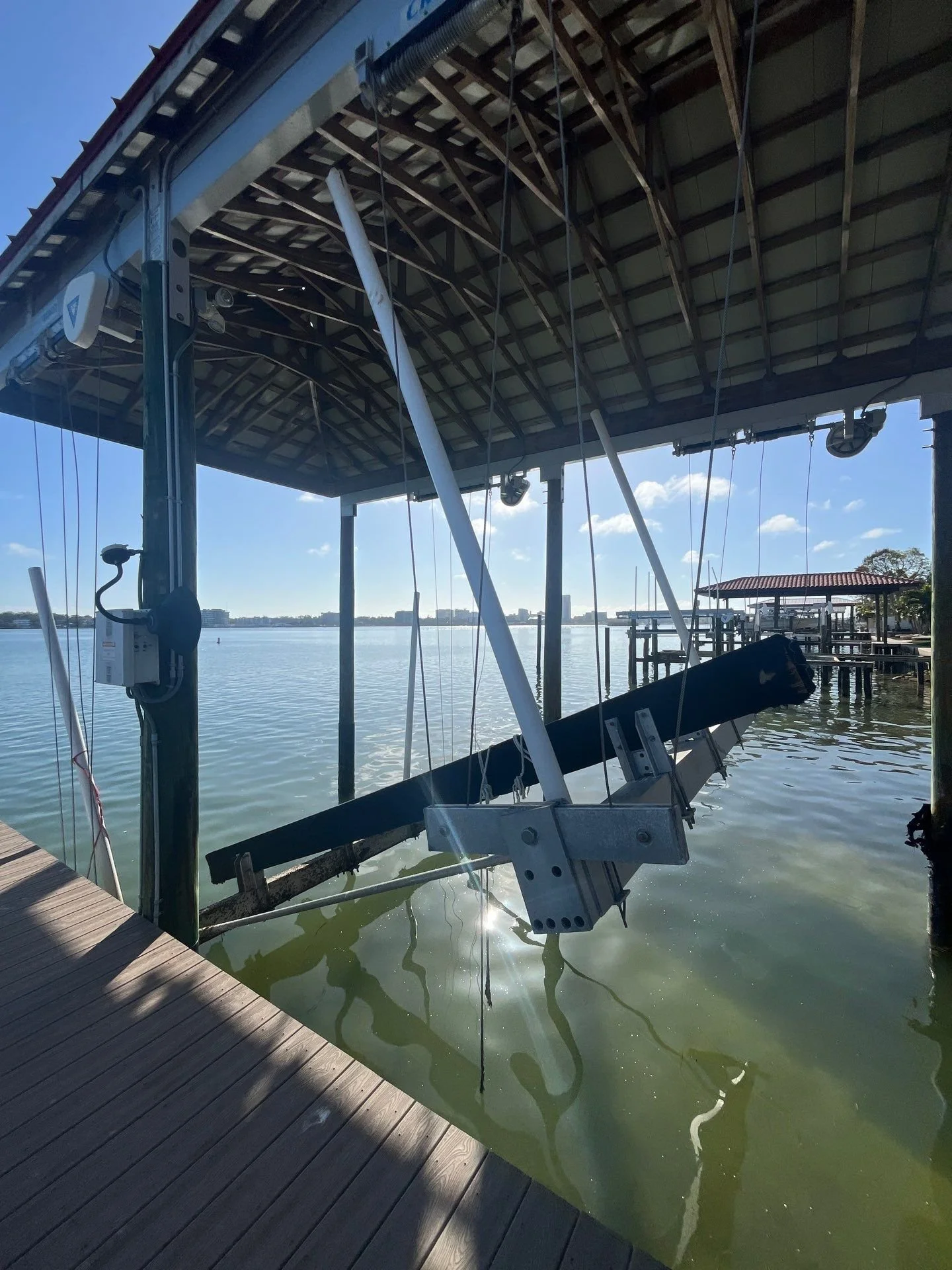
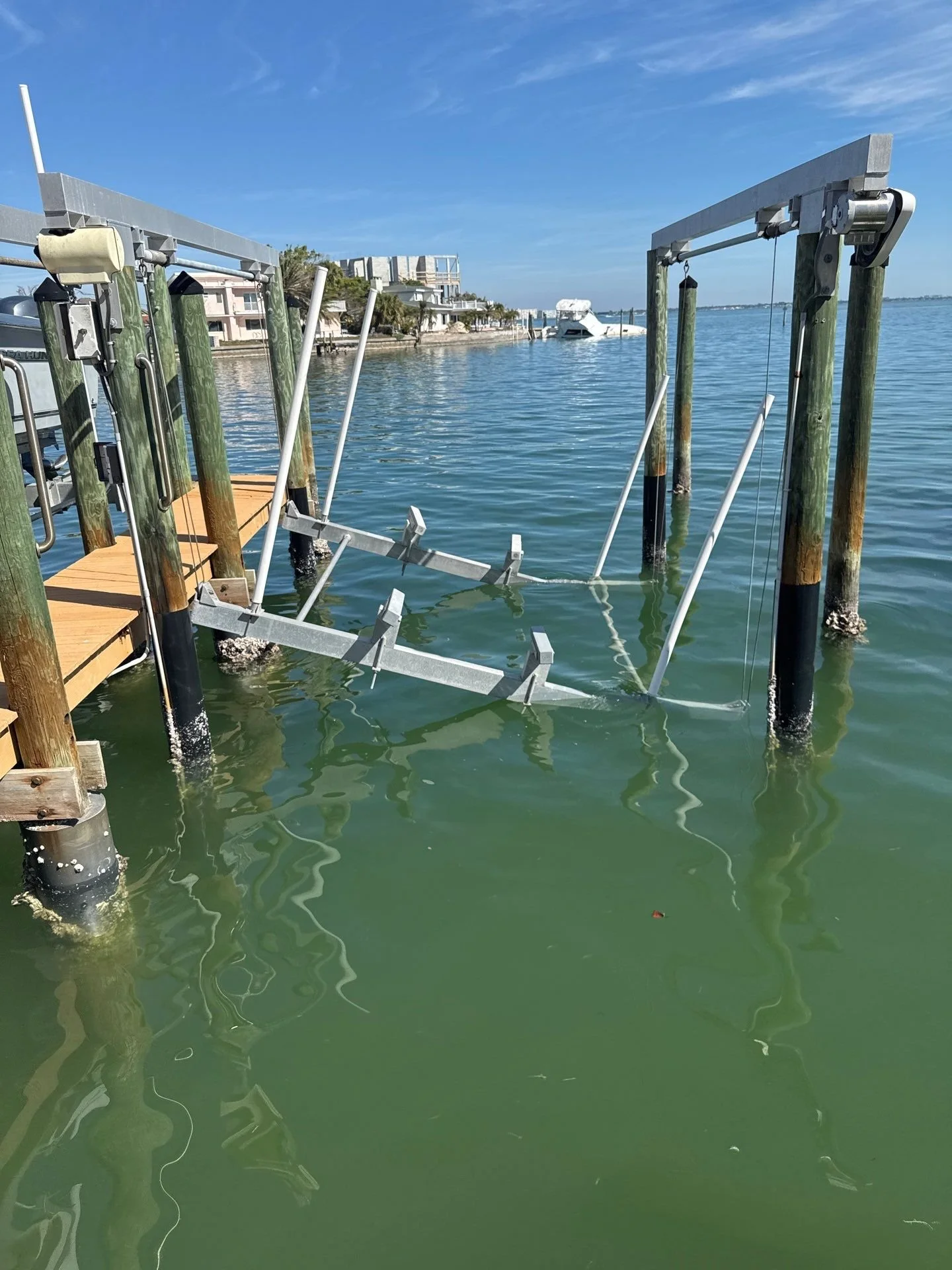
6. Listen to How the Lift Sounds
Boat lifts usually give warning signs before something fails. Paying attention to how the lift sounds during operation can help catch problems early.
Be alert for sounds like:
Grinding
Squealing
Popping
Loud clicking
These noises may indicate issues with pulleys, cables, or alignment. Addressing them early can prevent more expensive repairs later.
7. Do a Quick Visual Check of the Cables
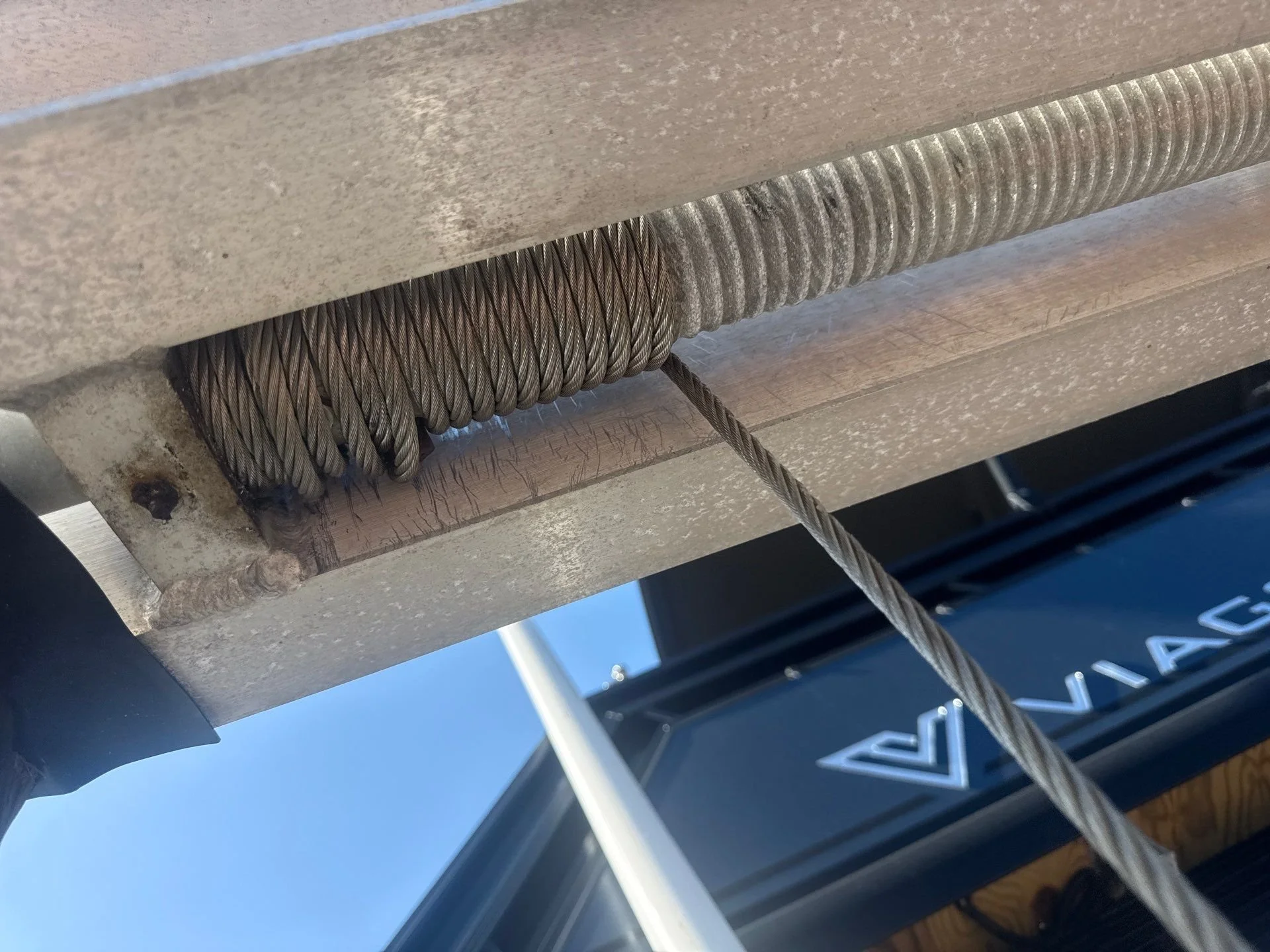
While you’re already at the dock, take a few seconds to glance at the lift cables.
Look for signs such as:
Fraying strands
Rust spots
Kinks or twists
Uneven winding on the drum
Cables handle thousands of pounds of load, so catching wear early is critical for safety.
8. Remove Unnecessary Weight From the Boat
It’s common to leave gear onboard after a day on the water, but excess weight adds unnecessary strain to your boat lift while the boat is sitting on it.
Items like full coolers, large water toys, spare equipment, and other heavy gear can add hundreds of pounds over time. While your boat lift should be sized to accommodate your boat along with the normal equipment you keep onboard, removing unnecessary weight when possible helps reduce long-term stress on the lift.
Even small reductions in weight can make a difference, especially for lifts that remain under load for long periods.
It’s also important to make sure your lift is properly sized for the true operating weight of your boat, including fuel, batteries, gear, and accessories. If you're unsure whether your lift capacity is adequate, you can learn how to calculate the correct size in our guide: How to Choose the Right Boat Lift Capacity.
9. Secure the Boat if Conditions Are Rough
In areas with frequent boat wake or wind, the boat can shift slightly while on the lift. Using light dock lines can help stabilize it.
Keeping the boat steady reduces movement that may stress the lift structure and bunks.
10. Schedule Routine Lift Inspections
Even with good habits, boat lifts benefit from regular professional inspections. Preventative maintenance helps identify small problems before they become major failures.
Routine service typically includes checking:
Cable condition
Pulley alignment
Electrical connections
Motor performance
Structural hardware
Lift balance and operation
A well-maintained lift not only lasts longer but also operates more safely.
A Few Minutes of Care Goes a Long Way
Boat lifts carry thousands of pounds every time they operate, and they do it in a harsh marine environment. Fortunately, keeping them in good condition doesn’t require much time — just a few consistent habits after each trip.
Rinsing the lift, turning off the power, checking the boat’s position, and paying attention to how the system operates can significantly reduce wear and prevent unexpected failures.
A little attention after each day on the water helps ensure your lift continues doing what it was designed to do: protect your boat and make boating easier.
