
Boat Lift Cables: What They Do, How They Wear, and When to Replace Them
Boat lift cables are one of the most important components of any lift system. They carry the full weight of your boat every time the lift is raised or lowered, making them critical for both performance and safety.
Because cables are constantly under tension and exposed to harsh marine conditions, they require regular inspection and maintenance. Understanding how boat lift cables work—and when they should be replaced—can help prevent unexpected failures and costly damage.
What Do Boat Lift Cables Do?
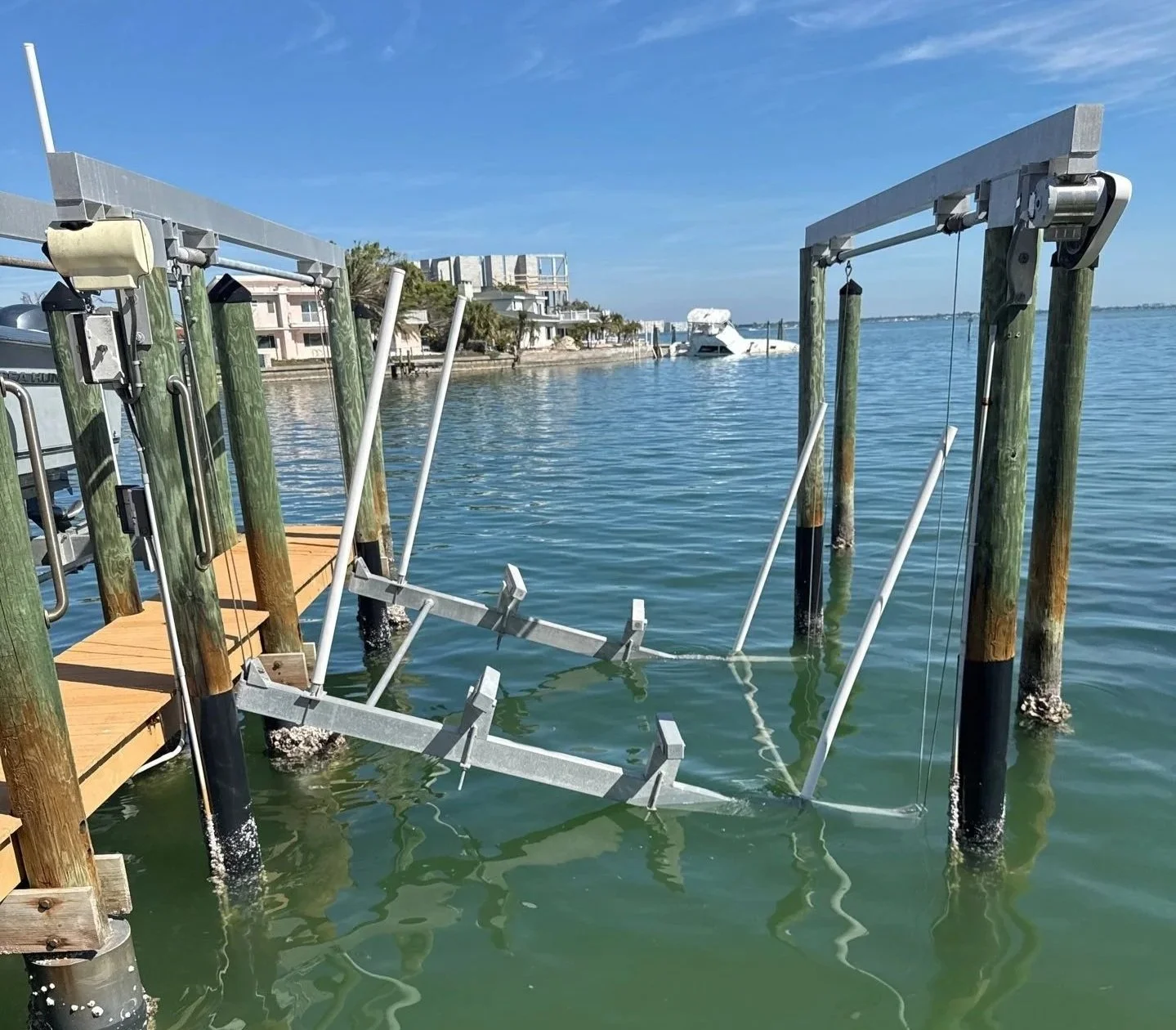
Boat lift cables are responsible for lifting and lowering your boat safely. They connect the lift’s drive system to the cradle or slings that support the boat.
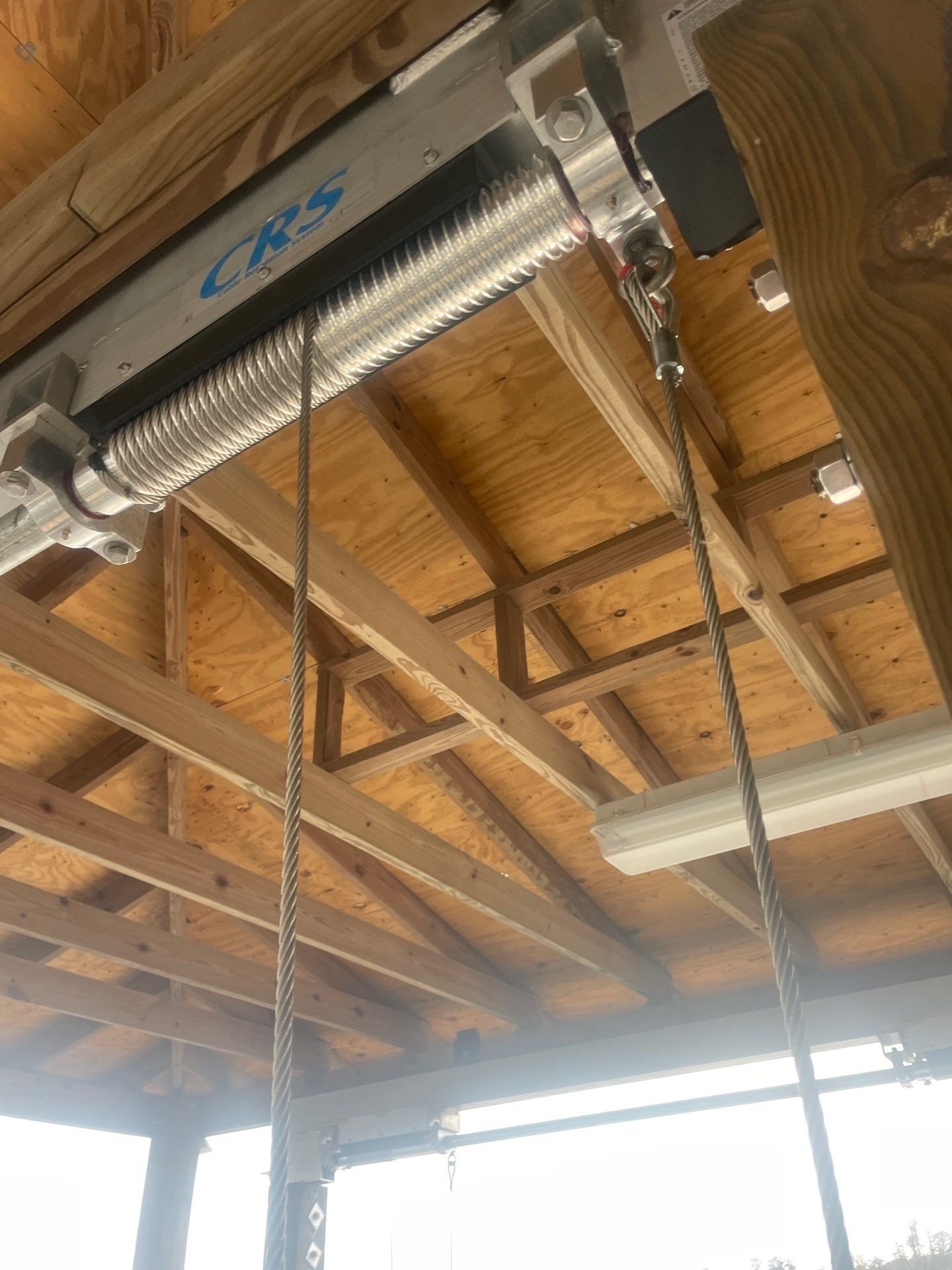
When the motor turns, it winds or unwinds the cables through a system of pulleys, raising or lowering the boat evenly. Because cables support significant weight, even small issues can quickly become serious if not addressed.
If a cable weakens or fails, it can lead to:
Sudden dropping of one side of the lift
Uneven weight distribution
Damage to the lift structure
Potential damage to the boat
For this reason, regular inspection is key to preventing problems before they occur.
What Causes Boat Lift Cables to Wear Out?
Boat lift cables are exposed to several factors that contribute to wear and deterioration.
Saltwater Exposure
In coastal areas like Tampa Bay, saltwater is one of the biggest causes of cable corrosion.
Constant Tension
Cables remain under load when supporting a boat, and repeated lifting cycles gradually weaken the strands.
Friction and Movement
As cables move over pulleys, friction can cause wear—especially if pulleys are not properly lubricated.
Improper Alignment
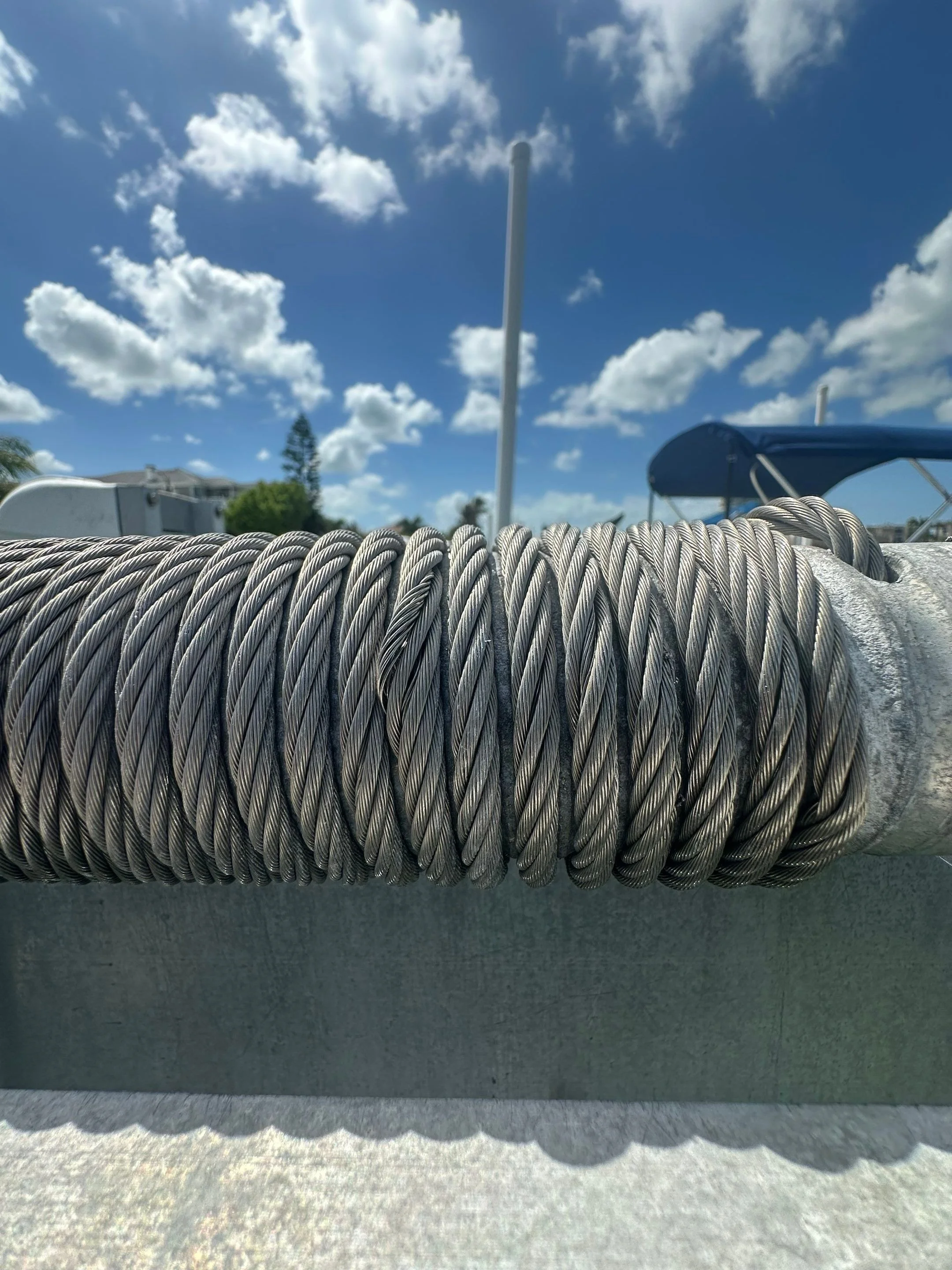
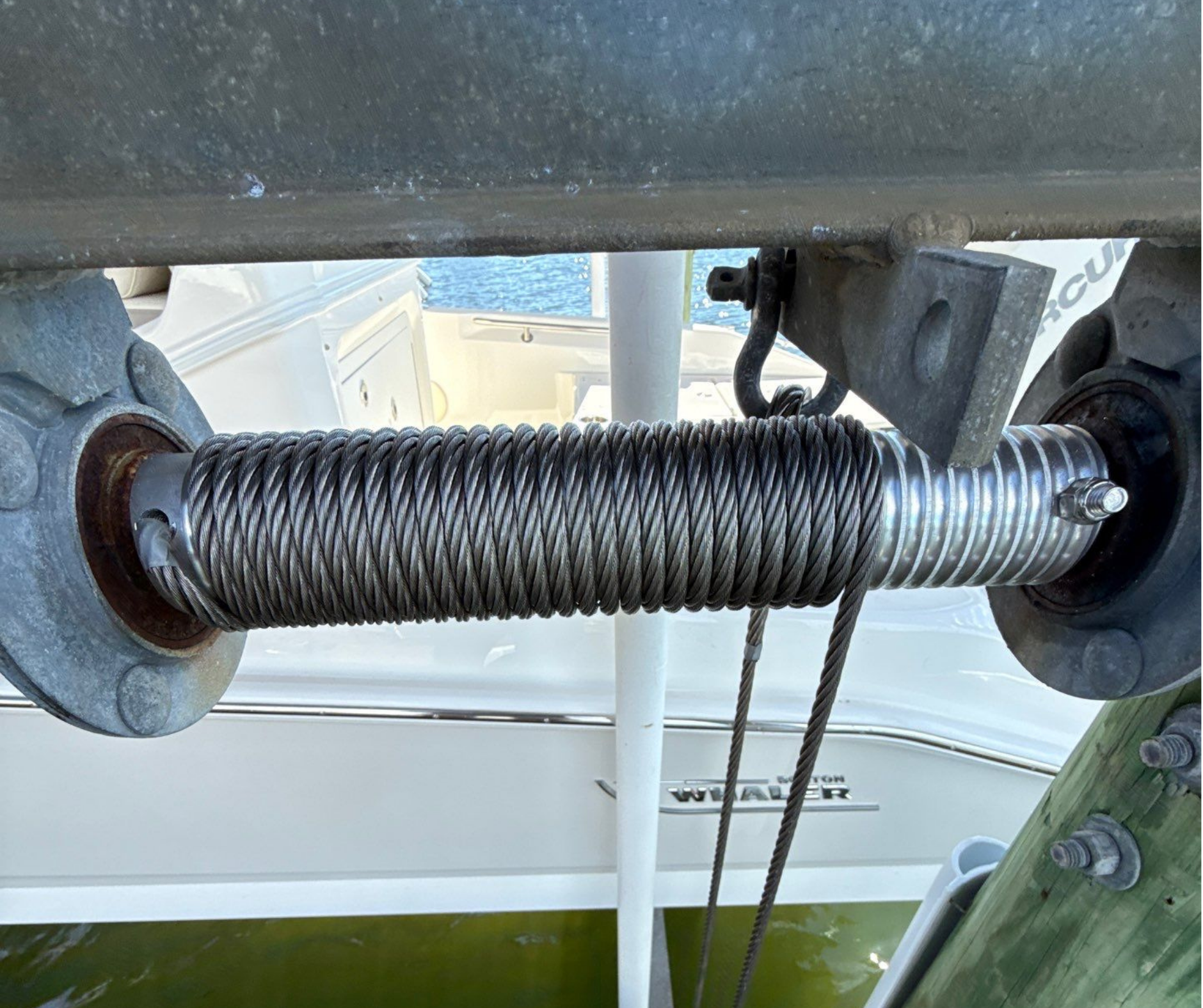
If cables wind unevenly or are misaligned, certain sections may wear faster than others.
Signs Your Boat Lift Cables May Need Replacement
Regular inspections can help identify cable wear before it leads to failure.
Look for these warning signs:
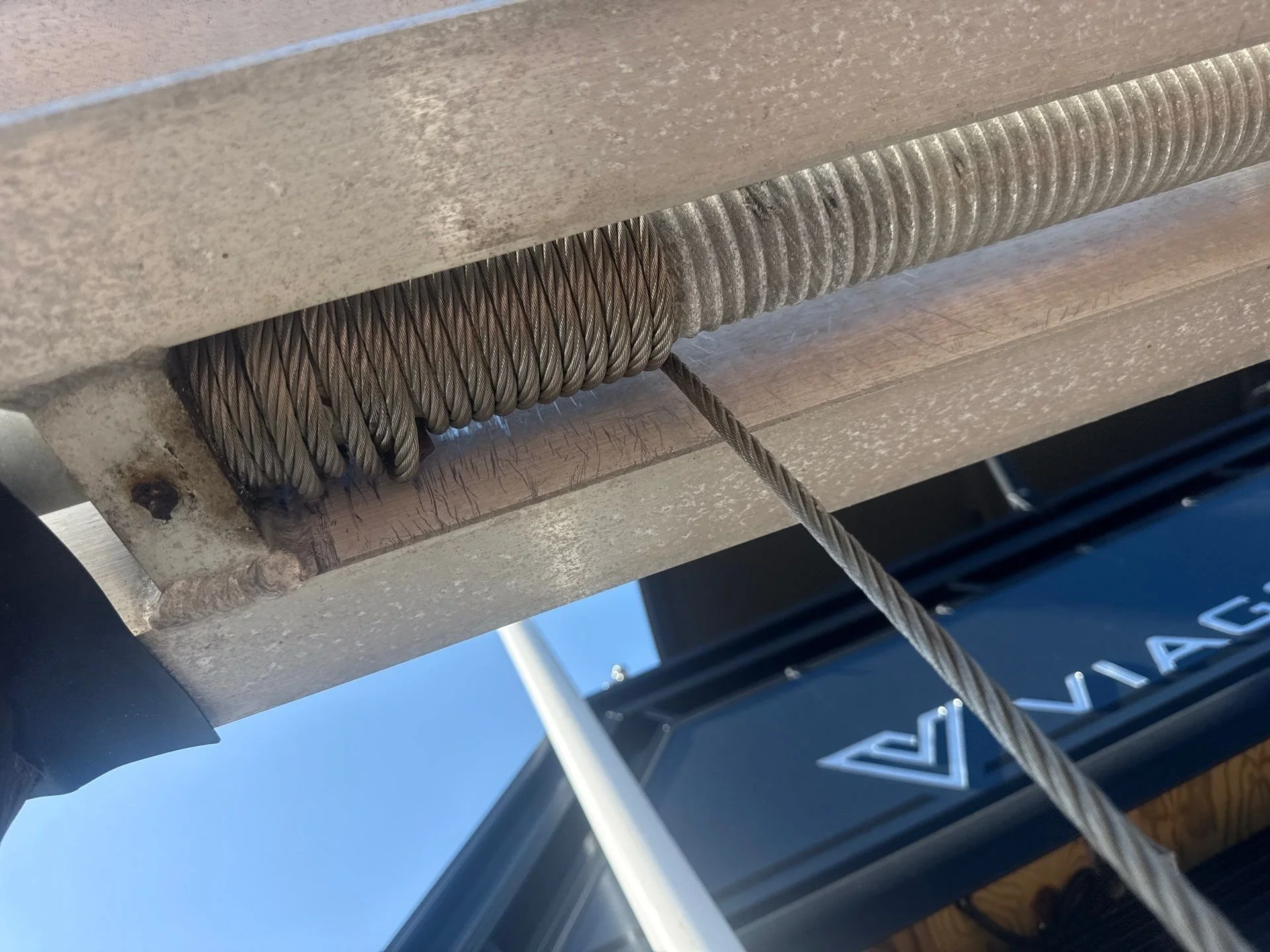
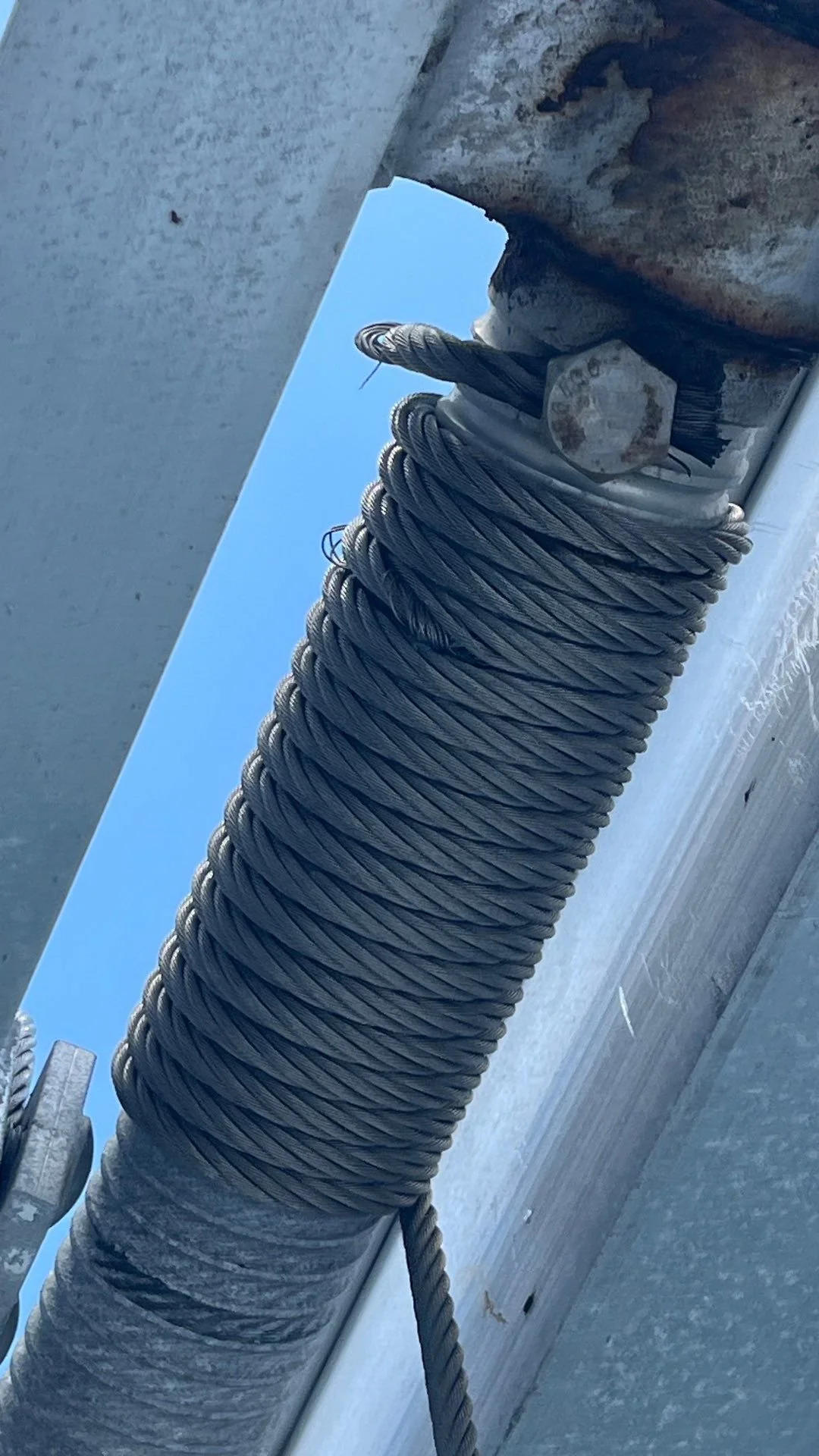
Frayed or broken strands
Kinks or twisting in the cable
Rust or corrosion buildup
Flat spots or uneven wear
Uneven lifting of the boat
If any of these signs are present, the cables should be evaluated before continued use.

When Should You Replace Boat Lift Cables?
Knowing when to replace your boat lift cables is one of the most important parts of maintaining your lift system.
- Based on Age
Even if cables appear to be in decent condition, age can weaken them internally.
Saltwater environments: typically 2–5 years
Freshwater environments: typically 4–7 years
Older cables are more likely to fail without visible warning.
- Based on Visible Damage
If you notice fraying, corrosion, or kinks, replacement should be considered immediately. These are clear signs that the cable strength has been compromised.
- Based on Lift Performance
If your lift begins raising unevenly or feels unbalanced, worn or stretched cables may be the cause.
- After Heavy Use or Storm Exposure
If your lift has been heavily used or exposed to severe weather, cables may have experienced additional stress. An inspection is recommended to determine if replacement is needed.
- Preventative Replacement
Many boat owners choose to replace cables as part of routine maintenance rather than waiting for visible failure. This helps reduce the risk of unexpected issues.
Why Timely Replacement Matters
Failing cables can lead to serious problems, including:
Sudden lift failure
Uneven lifting or dropping of the boat
Damage to the lift structure
Potential damage to the boat
Replacing cables before failure helps protect both your lift and your boat.
Tips to Extend the Life of Boat Lift Cables
While cables will eventually need to be replaced, proper maintenance can help extend their lifespan.
Rinse cables with fresh water to remove salt buildup
Keep pulleys clean and properly lubricated
Ensure cables wind evenly on the drum
Avoid overloading the lift beyond its capacity
Schedule regular inspections
These simple steps can help reduce wear and improve performance. You can read more about how to maintain the life of your lift here.
Boat Lift Cable Replacement Process
When cables need to be replaced, the process typically includes:
Removing old cables
Inspecting pulleys and hardware
Installing new cables
Ensuring proper alignment and tension
Proper installation is important to ensure safe and reliable operation.
Boat Lift Cables in the Tampa Bay Area
Boat lifts in the Tampa Bay area are exposed to saltwater, humidity, and frequent use, which can accelerate cable wear.
Because of these conditions, regular inspections and preventative maintenance are especially important for local boat owners.
Keep Your Boat Lift Running Smoothly
Boat lift cables might not always be top of mind, but they play a major role in how safely and smoothly your lift operates. Keeping an eye on cable condition and replacing them when needed can help avoid unexpected problems and protect both your lift and your boat.
A little preventative maintenance goes a long way when it comes to keeping everything working the way it should.
